Pulse storyData
How Prince George’s weather compares with the rest of BC
Official 1991–2020 climate normals for Prince George and eight other BC cities: the north is colder in winter, but summer highs match Vancouver’s.
PG Pulse staffPublished 4 min read
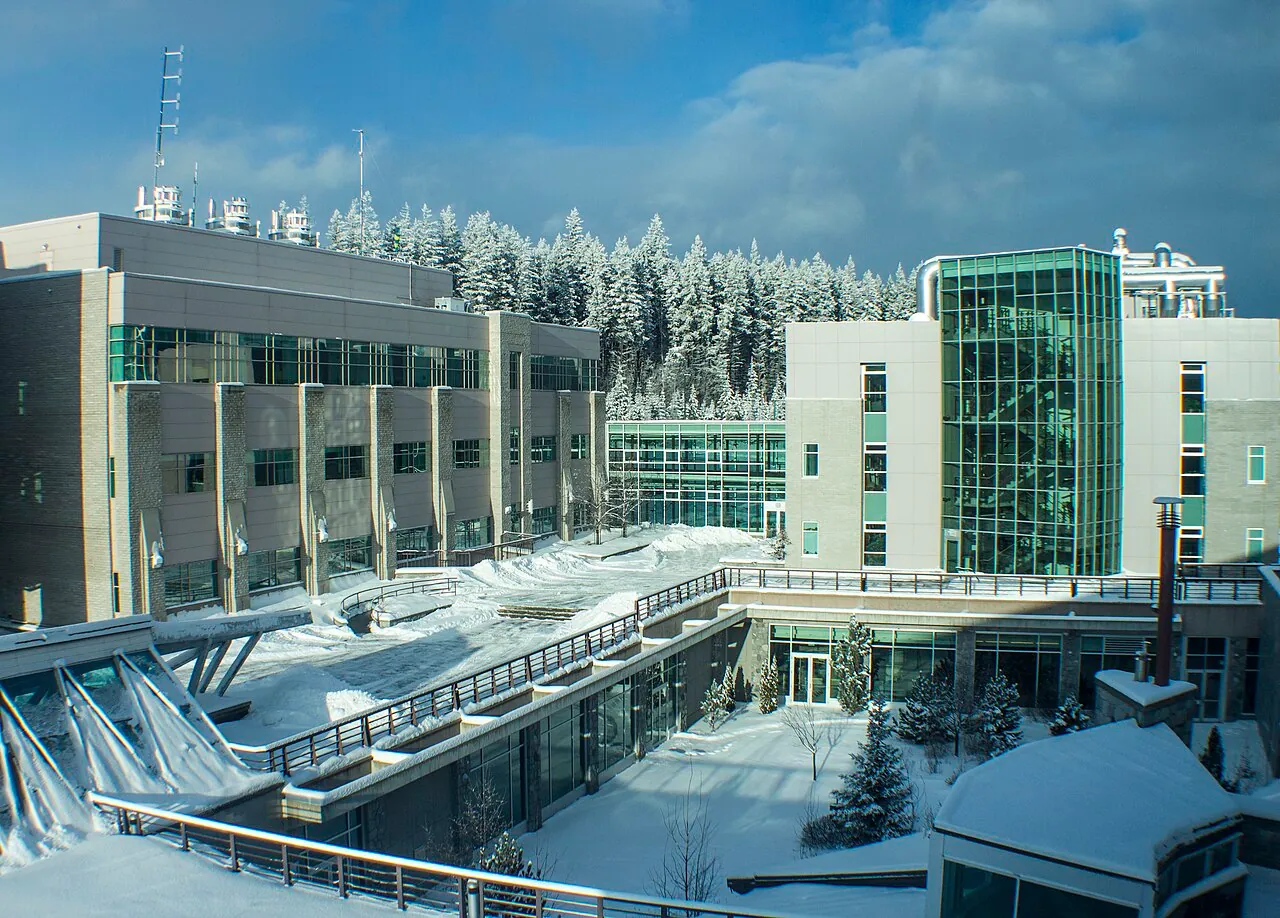
Tell someone in the Lower Mainland you live in Prince George and you will probably hear a joke about the cold. It is true that winters here are serious. But line up the official numbers and the picture is more interesting: in some ways Prince George’s weather is closer to Vancouver’s than people assume, and in others it stands apart from everywhere else in the province.
We compared the 1991–2020 climate normals published by Environment and Climate Change Canada for Prince George Airport and eight other BC locations. Most stations are at airports; Victoria’s is the long-running Gonzales Heights station.
The numbers
Temperatures in °C. Precipitation in mm (rain plus melted snow). Snowfall in cm.
| City | January mean | July mean | July avg high | Annual precip | Annual snow |
|---|---|---|---|---|---|
| Prince George | −7.8 | 15.9 | 22.6 | 590 | 204 |
| Smithers | −7.2 | 15.4 | 21.8 | — | — |
| Quesnel | −6.9 | 16.8 | 24.1 | 536 | 162 |
| Terrace | −3.3 | 16.6 | 21.5 | 1,338 | 328 |
| Kelowna | −2.9 | 19.9 | 28.5 | 387 | 89 |
| Kamloops | −2.7 | 21.9 | 29.3 | 278 | 64 |
| Prince Rupert | 2.4 | 13.4 | 16.2 | 2,619 | 92 |
| Vancouver | 4.1 | 18.2 | 22.4 | 1,160 | 37 |
| Victoria | 5.8 | 16.3 | 20.6 | 675 | — |
A dash means the figure was not available in the normals we used. Values are rounded.
Five takeaways
1. Winter is where Prince George stands out
With a January mean of −7.8°C, Prince George is the coldest place in our comparison, just ahead of Smithers. It is about 12 degrees colder than Vancouver in January, and roughly 5 degrees colder than Kamloops or Kelowna. Being inland, farther north and about 690 m above sea level at the airport all push temperatures down.
2. Summer afternoons match Vancouver’s
Here is the surprise. Prince George’s average July high of 22.6°C is essentially the same as Vancouver’s 22.4°C, and warmer than Victoria or Prince Rupert. What differs is the night: Prince George summer nights cool to around 9°C, while Vancouver’s stay in the low to mid teens. The result is a lower July mean, but afternoons that feel just as summery.
The Okanagan and Thompson are in a different league, with July highs near 29°C.
3. It is drier than you might think
Prince George gets about 590 mm of precipitation a year: roughly half of Vancouver’s, less than a quarter of Prince Rupert’s and far below Terrace. The Coast Mountains wring much of the Pacific moisture out before it reaches the interior. Kamloops and Kelowna, sitting in deeper rain shadows, are drier still.
4. Snow is reliable, not extreme
At about 204 cm a year, Prince George gets plenty of snow, but less than Terrace (328 cm), where coastal storms slam into cold interior air. Compared with Vancouver’s 37 cm, though, it is a different world. And because it stays cold, the snow that falls tends to stick around from November to March, which is great news for skiers.
5. Sunshine is on par with the south coast
The airport logs about 1,900 hours of bright sunshine a year, almost identical to Vancouver and far more than Prince Rupert’s roughly 1,240 hours. (Sunshine normals are from 1981–2010 at some stations.) Grey stretches in November and December are offset by long, bright summer days, with about 17 hours of daylight at the solstice.
Extremes
The long-term records show just how wide Prince George’s range can be:
- Record low: −50.0°C at the airport on January 2, 1950. For comparison, Kamloops’ record low is −38.3°C and Victoria’s is −15.6°C.
- Record high: the official Prince George record is 38.9°C, set at the old town station on July 17, 1941. During the June 2021 heat dome, which also pushed Kamloops to 47.3°C, the airport reached 38.4°C and Environment Canada’s Prince George Massey station in the Bowl hit 40.1°C, the hottest reading ever taken in the city.
That is a swing of about 90 degrees between the coldest and hottest temperatures ever measured in the area.
What it means day to day
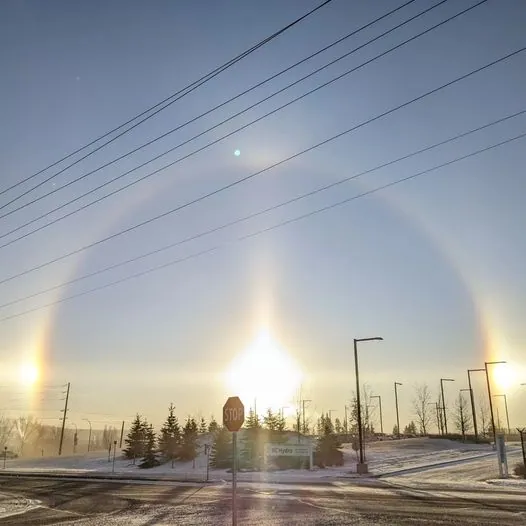
- Pack layers, even in July: 23°C afternoons can turn into 8°C evenings.
- Winter tires and block heaters are essentials, not extras.
- Smoke and inversions matter more than rain. Summer wildfire smoke and winter temperature inversions in the bowl are the main weather-related health concerns. See the air quality dashboard.
See it live
Normals describe the long-term average, not any given year. To see how this month compares, open our climate dashboard, which tracks current temperatures against the 1991–2020 baseline. For today’s conditions, check the weather dashboard, and for the full month-by-month breakdown read our climate guide.
Spotted a mistake? Suggest a correction.
Sources
- Canadian Climate Normals 1991–2020 (Environment and Climate Change Canada)
- Prince George weather box (Wikipedia template summarizing ECCC normals)
- Vancouver: Climate (Wikipedia, citing ECCC normals)
- Kamloops: Climate (Wikipedia, citing ECCC normals)
- Kelowna: Climate (Wikipedia, citing ECCC normals)
- Prince Rupert: Climate (Wikipedia, citing ECCC normals)
- Victoria: Climate (Wikipedia, citing ECCC normals)
- Terrace: Climate (Wikipedia, citing ECCC normals)
- Quesnel: Climate (Wikipedia, citing ECCC normals)
- Smithers: Climate (Wikipedia, citing ECCC normals)
More Pulse stories
Latest local news
All news-

-
r/princegeorge
Some clarity on the city’s Whistleblower Policy “Drama.”
Opens the publisher’s siteu/Parking_Progress_422
-