Prince George economy: forestry, rail, health and education
How Prince George makes a living: forestry and pulp, the CN rail hub, YXS airport, health care, UNBC and CNC, mining services and northern supply.
Updated
At a glance
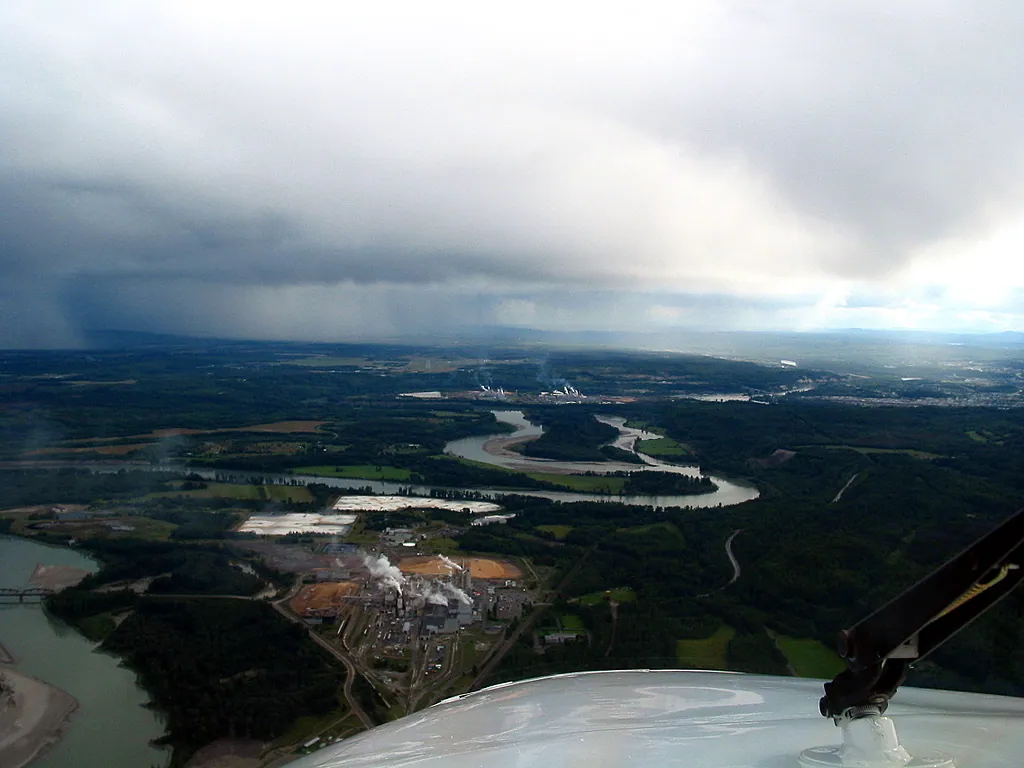
- Forestry built the city: sawmills from the start, then three pulp mills opened in 1964 and 1966.
- Today the largest employers include health care, education and government services.
- Prince George is a CN rail hub on the main line to the port of Prince Rupert, and the meeting point of Highways 16 and 97.
- YXS airport has a 3,490 m runway, among the longest in Canada.
- UNBC, the College of New Caledonia and the Northern Health authority are all headquartered here.
Prince George has always made its living from its location. It sits in the middle of a vast forest, at the crossing of two rivers, two railways and two highways. Over a century the economy has shifted from lumber toward services, but those advantages still define it.
Forestry: the foundation
Forestry has been the backbone of the local economy since the city’s first sawmills. After the Second World War, demand for lumber exploded and Prince George’s spruce forests fed dozens of mills.
The big turning point came in the 1960s, when three pulp mills opened: Prince George Pulp and Paper in 1964, followed by Northwood and Intercontinental in 1966. They brought high wages, new subdivisions and a population boom. The city’s mascot, Mr. PG, was built in 1960 as a symbol of the forest industry and has stood at the junction of Highways 16 and 97 since 1970.
The industry has changed a lot since then:
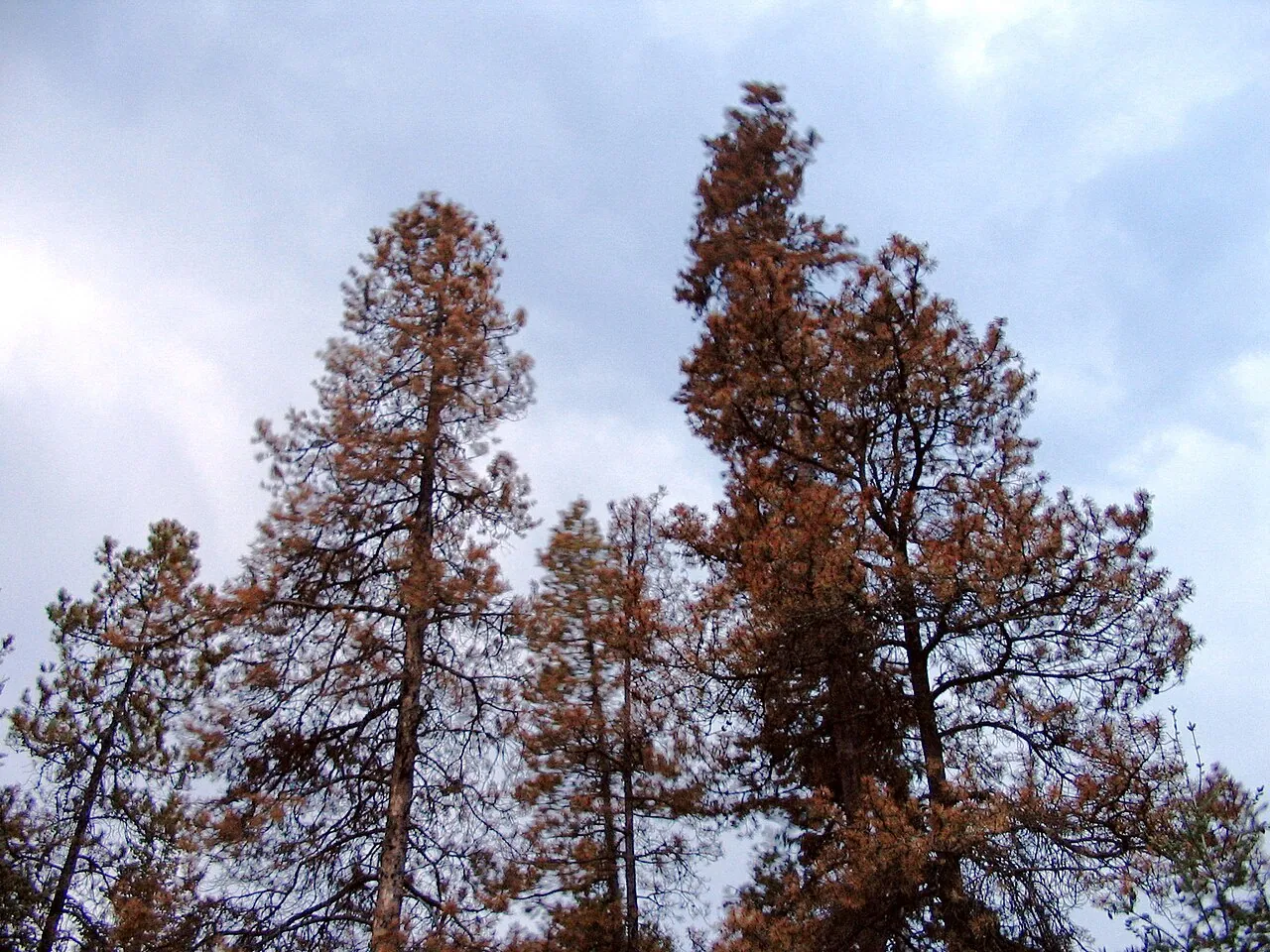
- The mountain pine beetle killed vast stands of lodgepole pine in the 2000s. Mills raced to harvest dead timber, which created a short-term boom and a long-term shortage.
- Consolidation replaced many small sawmills with a few large, automated “supermills.”
- Closures and curtailments have hit the sector repeatedly as timber supply has tightened. Pacific BioEnergy closed its Prince George pellet plant in 2022, and in 2023 Canfor permanently shut the pulp line at Prince George Pulp and Paper, cutting about 300 jobs.
Forestry remains important, and newer value-added work such as engineered wood, bioenergy and forest research at UNBC builds on that history.
Transportation hub
Prince George is where northern BC’s transportation routes cross.
- Highways. Highway 16 (the Yellowhead) runs east to Jasper and Edmonton and west to Prince Rupert. Highway 97 runs south to the Cariboo and north to the Peace River country and the Alaska Highway. Heavy truck traffic supports a large trucking, equipment and repair sector.
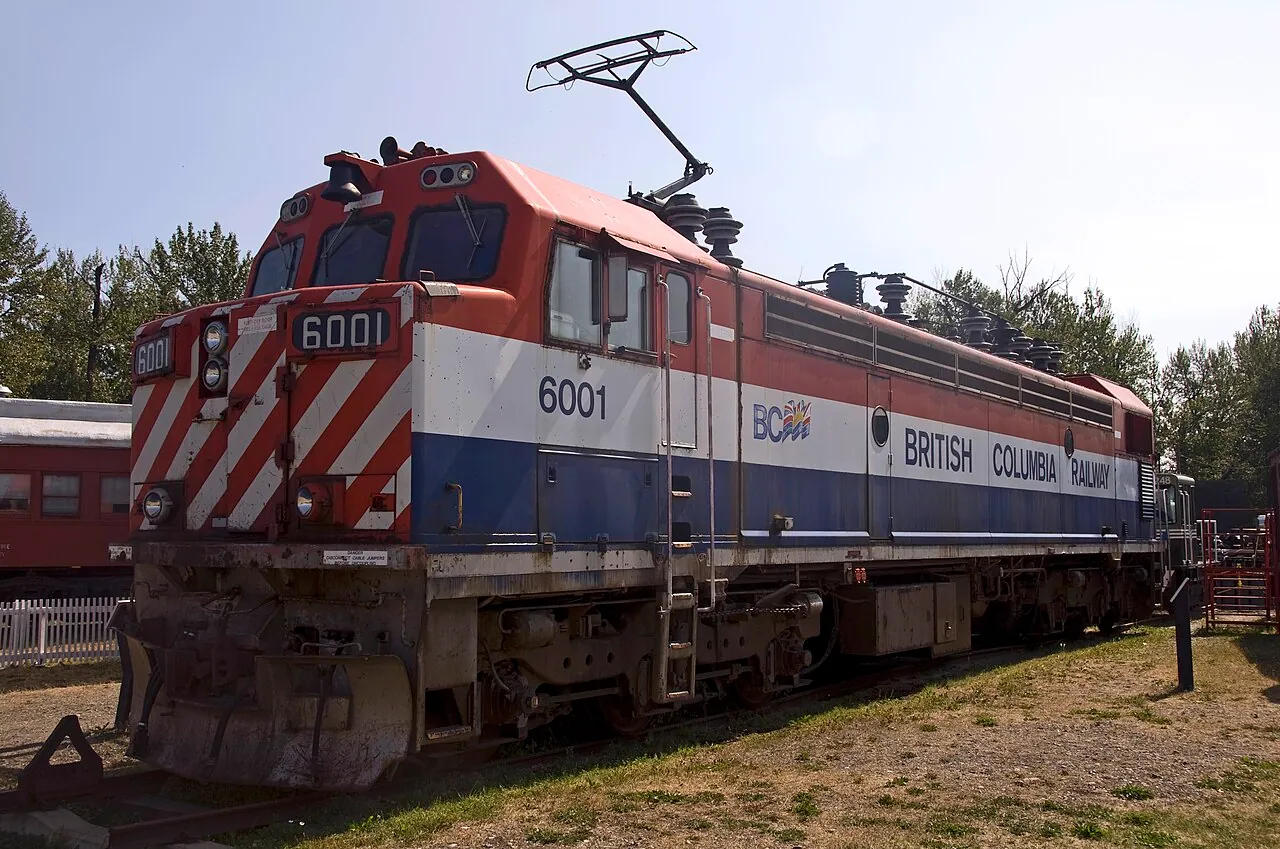
- Rail. CN’s main line from Edmonton to the port of Prince Rupert passes through the city, and the former BC Rail line runs south to Vancouver and north to the Peace. Containers, grain, lumber, pulp and coal move through Prince George, and the city has handled inland container traffic tied to Prince Rupert.
- Air. Prince George Airport (YXS) sits on the plateau southeast of downtown. Its runway was lengthened in 2009 to 3,490 m (11,450 ft), among the longest in Canada. It has scheduled flights to Vancouver, Calgary and Victoria and regional service across the north.
See getting here and around for travel details.
Health care
Prince George is headquarters for Northern Health, the health authority for all of northern British Columbia. The University Hospital of Northern British Columbia is the region’s main referral hospital, and a BC Cancer centre for the north, opened in 2012, provides radiation therapy and cancer care that once required a trip south. Health care is now one of the city’s largest employers.
Education and research
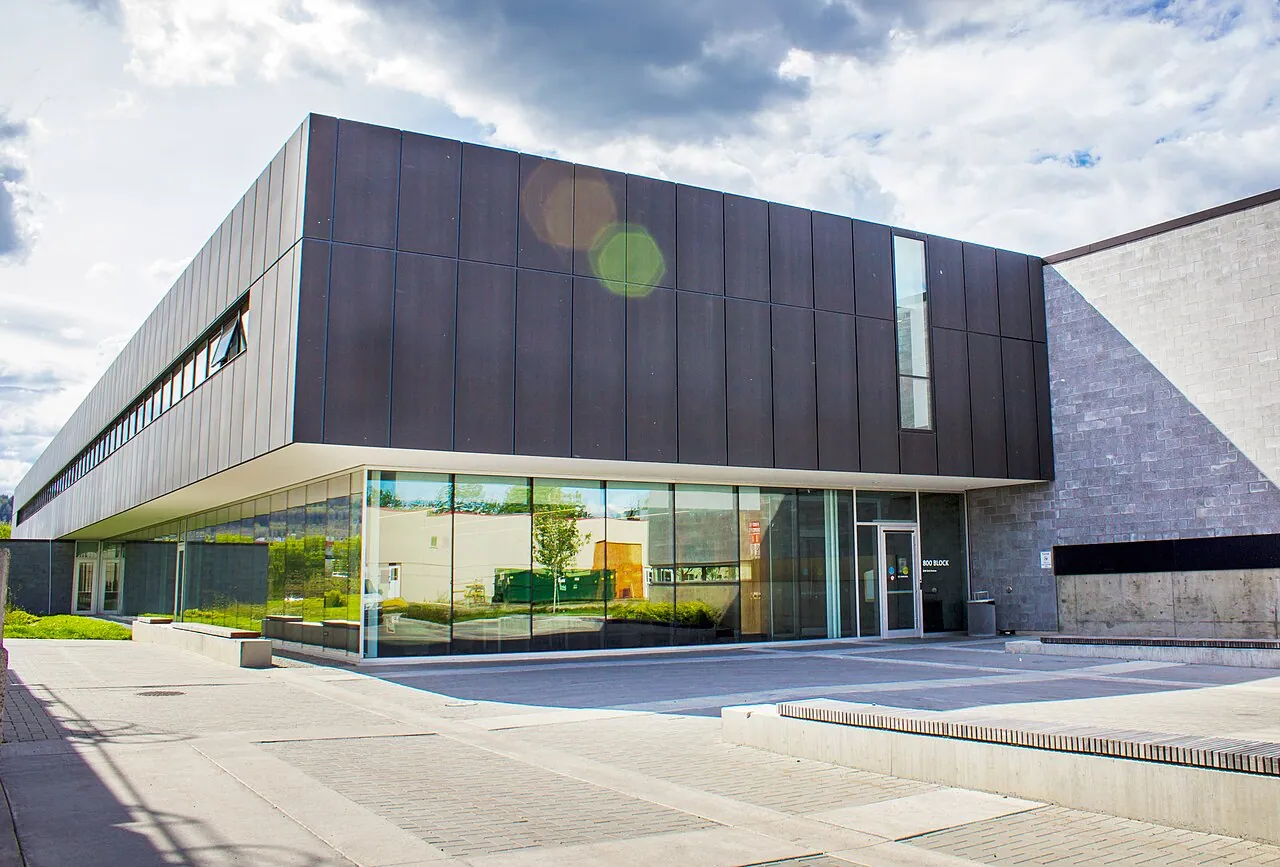
- University of Northern British Columbia (UNBC). Created in 1990 after a grassroots campaign and opened on Cranbrook Hill in 1994, UNBC has regional campuses across the north. It has placed at or near the top of Maclean’s rankings for primarily undergraduate universities several times, and it hosts the Northern Medical Program with UBC to train doctors for the north.
- College of New Caledonia (CNC). Founded in 1969, CNC offers trades, health, business and university-transfer programs, with campuses in Prince George, Quesnel, Burns Lake, Fort St. James, Mackenzie and Vanderhoof.
- School District 57 serves the city and a large rural area to the east and north.
Together, these institutions bring thousands of students and staff to the city and support research in forestry, environment, health and northern communities.
Mining and energy services
Although there are no large mines in the city itself, Prince George is a staging and supply centre for exploration and mining across north-central BC. Engineering firms, equipment dealers, labs, trades and camp suppliers serve projects hundreds of kilometres away. The city also has an oil refinery that supplies fuel to much of northern BC, as well as chemical plants, machine shops and specialized manufacturers.
Retail, government and services
As the largest city between the Lower Mainland and the Yukon, Prince George is a regional shopping and service centre for communities such as Vanderhoof, Mackenzie, Quesnel and McBride. Provincial and federal regional offices, courts and the Regional District of Fraser-Fort George add stable public-sector jobs.
The economy today at a glance
| Sector | Why it matters in Prince George |
|---|---|
| Forestry and wood products | Pulp, sawmilling and value-added wood; historic backbone |
| Health care | Northern Health headquarters, regional hospital, cancer centre |
| Education | UNBC, CNC, School District 57 |
| Transportation | CN main line and former BC Rail line, Highways 16 and 97, YXS |
| Resource services | Mining, energy and forestry suppliers and trades |
| Retail and services | Regional shopping, hospitality and government offices |
Related
Common questions
What are the main industries in Prince George?
Forestry and wood products, including pulp and sawmilling, remain important. Health care, post-secondary education, government, transportation, retail and services for the mining and resource sectors now make up much of the economy.
Why is Prince George called the northern capital?
It is the largest city in northern BC and provides services for a huge region: a regional hospital and cancer centre, a university and college, provincial and federal offices, and the main transport links north, east and west.
Is Prince George still a mill town?
Partly. Pulp and sawmills still operate and Mr. PG, the city’s mascot, is a nod to forestry. But mill closures and automation mean far more people now work in health, education, trades and services.
What is the Prince George Airport known for?
Its runway was extended in 2009 to 11,450 feet (3,490 m), one of the longest in Canada, which lets it handle very large aircraft. It has daily flights to Vancouver and Calgary and is an airport of entry with Canada Border Services Agency staff.